What is ASA and what are its properties?
ASA combines acrylonitrile, styrene and acrylate. The acrylate component improves resistance to sunlight, helping the material retain its appearance and strength outdoors.
- Resistance to UV exposure and weathering
- Mechanical strength and toughness
- A heated bed is required for printing
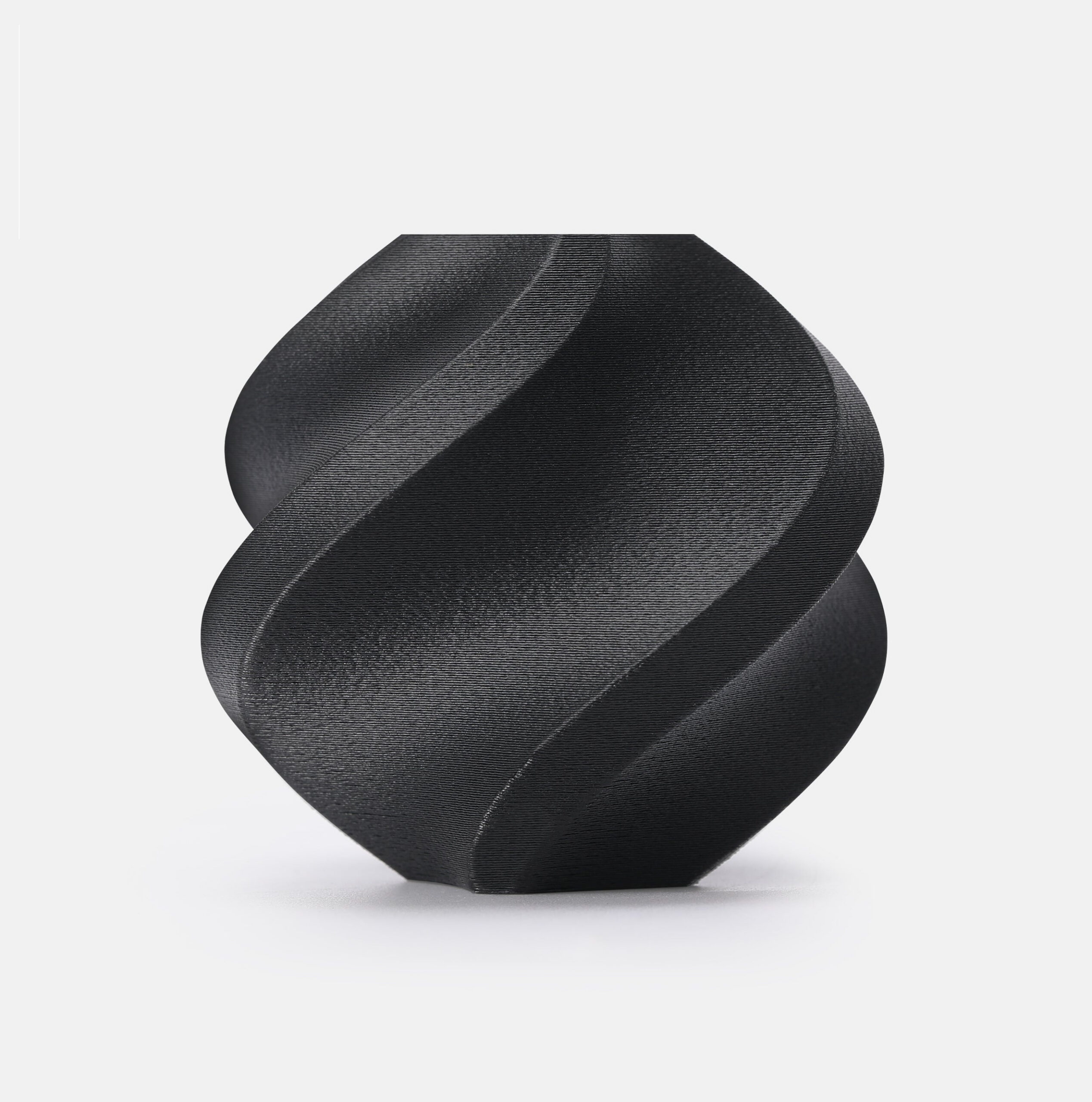
- A matt surface
- Heat resistance
- Resistance to certain oils and chemicals, depending on the formulation and exposure
Typical printing temperatures are around 230–250 °C, with a heated bed around 90–110 °C. Follow the filament manufacturer’s settings for the specific material. An enclosed printer helps maintain an even temperature and reduce warping.
Uses of ASA in 3D printing
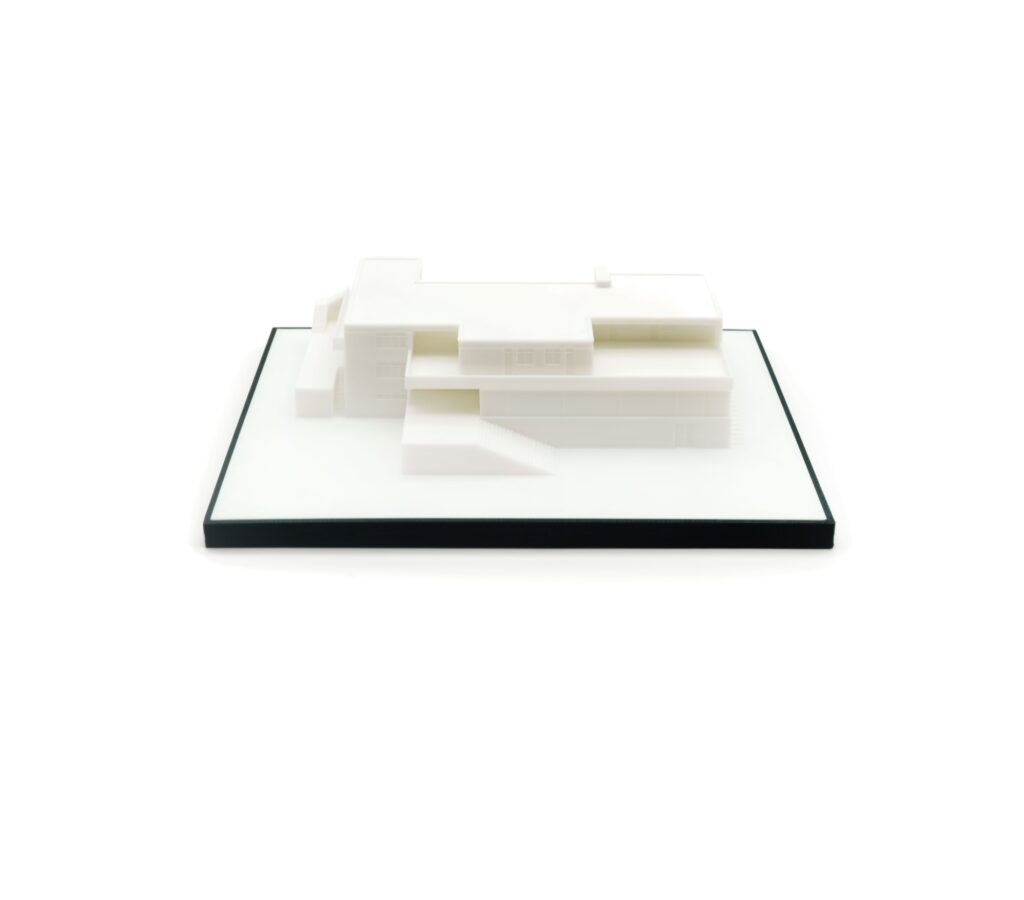
ASA is useful where weather resistance, UV resistance and mechanical strength matter. Examples include garden accessories, sensor and electronics housings, signs, architectural models and outdoor design objects. It is also used for selected vehicle accessories and outdoor equipment, subject to the requirements of each part.
Advantages and limitations
Advantages: good resistance to sunlight and weathering, toughness and suitability for many technical applications. Chemical compatibility depends on the particular substance and conditions.
Limitations: ASA is generally more expensive than common PLA and requires more careful printer settings, a heated bed and preferably an enclosure. Printing produces odours and emissions, so suitable ventilation is important.
Choosing ASA
ASA is worth considering for parts exposed to sunlight and changing weather. It is more demanding to print than PLA, but its properties make it useful for technical and outdoor projects. Choose the material and print settings to suit the intended use.